
Save $-5.99
In stock
Regular price
$5.99
Trucks (National Geographic Kids Readers, Level 1)
Wil Mara National Geographic Kids
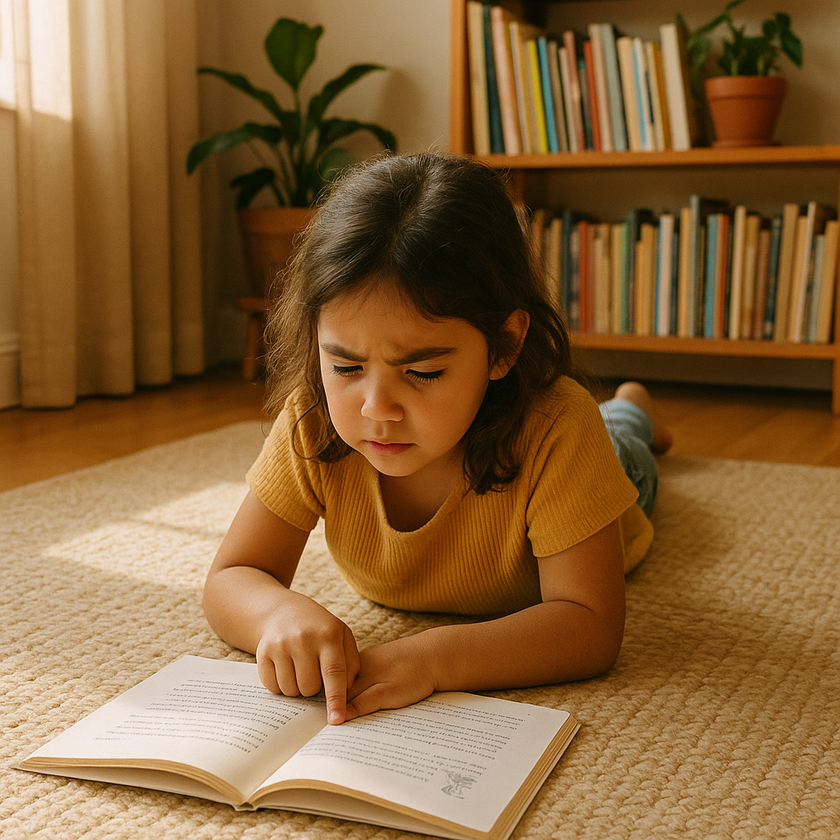
First grade is the year a child learns to read, and everything else is arranged around that. One math book, one reading and one writing book, a science and a social studies page a couple of times a week, and a lot of books. This shelf holds all of it, including the first chapter books a six-year-old will finish on their own.
How to use it: about an hour, four days a week, with math first while they are fresh. The reading is the part that matters most this year, and the fastest way to wreck it is to make it the hardest part of the day. Read to them well past the point where they can read to you.
The whole year in one place: The Whole Year: 1st Grade. Or answer five questions and we will point you at the right shelf.
Why it works: Roaring Rockets sends Rabbit, Bird, and Mouse zooming to the Moon in a rhyming picture-book adventure packed with spacecraft details. Spacesuits, oxygen helmets, gravity gear, and the rocket's job become part of imagining how the friends can travel beyond Earth.
Why it works: Amazing Airplanes follows Rabbit, Bird, and Mouse as pilots, baggage handlers, and cabin crew in a rhyming trip through an airport and flight. The animal cast and wordplay carry practical aeronautics, from the cockpit and landing gear to flight safety and air-traffic coordination.
Why it works: How to Be a Ladybug gives Dotty the larva a garden full of predators, rival insects, confusing body changes, and wings still to come. Her comic journey lets children discover that a ladybug's early stages look and behave differently from the familiar adult.
Why it works: How to Be a Dragonfly follows Chase from pond-dwelling nymph to airborne adult as a grasshopper narrator coaches him through danger, growth, and daring escapes. The comic plot makes each life stage, behavior, and pond adaptation something Chase must use before readers can see what he becomes.


