
Save $-9.99
Low stock
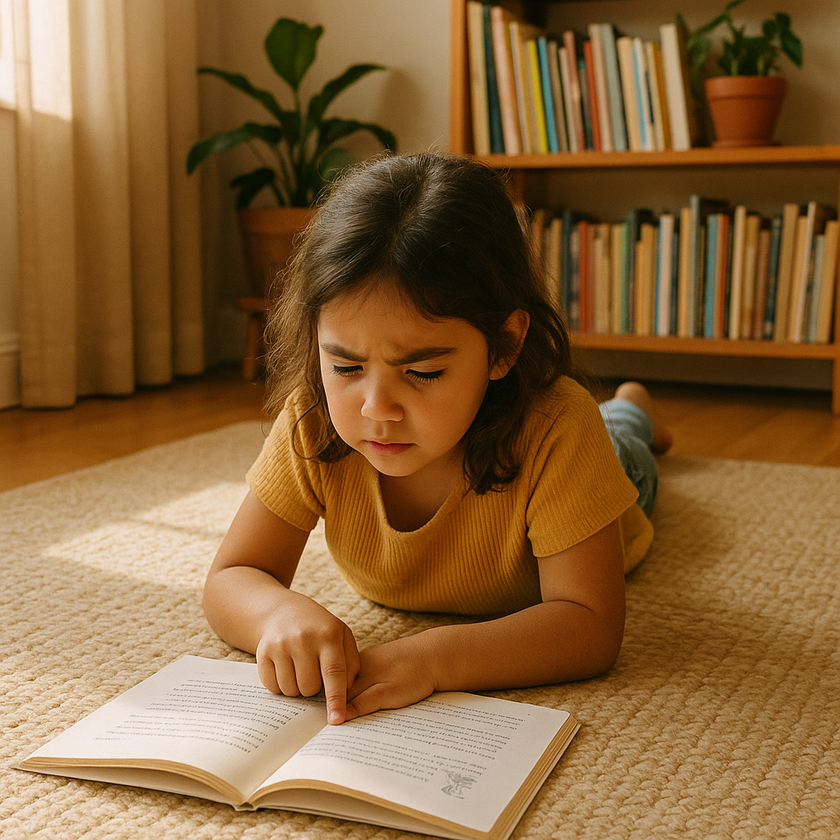
First grade is the year a child learns to read, and everything else is arranged around that. One math book, one reading and one writing book, a science and a social studies page a couple of times a week, and a lot of books. This shelf holds all of it, including the first chapter books a six-year-old will finish on their own.
How to use it: about an hour, four days a week, with math first while they are fresh. The reading is the part that matters most this year, and the fastest way to wreck it is to make it the hardest part of the day. Read to them well past the point where they can read to you.
The whole year in one place: The Whole Year: 1st Grade. Or answer five questions and we will point you at the right shelf.
Why it works: Lucky Leopards recounts true, photograph-rich animal rescues as short chapter-book adventures. The rescuers' choices only make sense when readers notice what each wild animal needs, how it responds to people, and why returning it to appropriate care or habitat matters.
Why it works: Wildlife documentarians Jim and Jamie Dutcher invite readers into their real experience of living near and observing a wolf pack in the western wilderness. Photographs, fast facts, and true adventure make wolf behavior a field discovery made alongside the observers rather than a detached animal report.


