SCIENCE IN THE WILD
Stealth Science
Science that begins with curiosity. These are articles and teaching ideas; the retail shelves have closed.
experiential learning
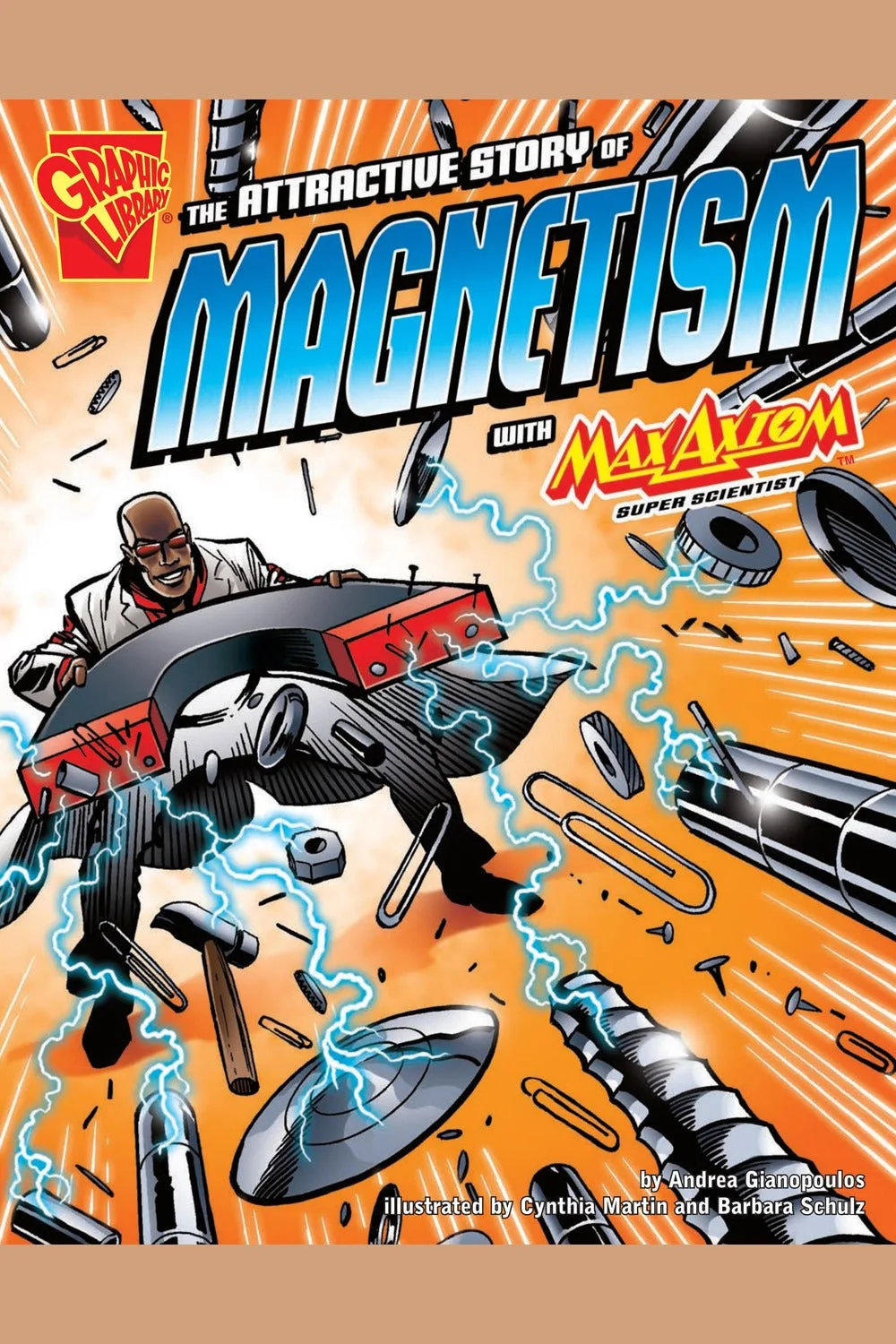
Why iron and not aluminium? Every magnet book for this age tells a child what magnets do. This one goes after why, down at the electron, which is where most books for nine year old
getting started
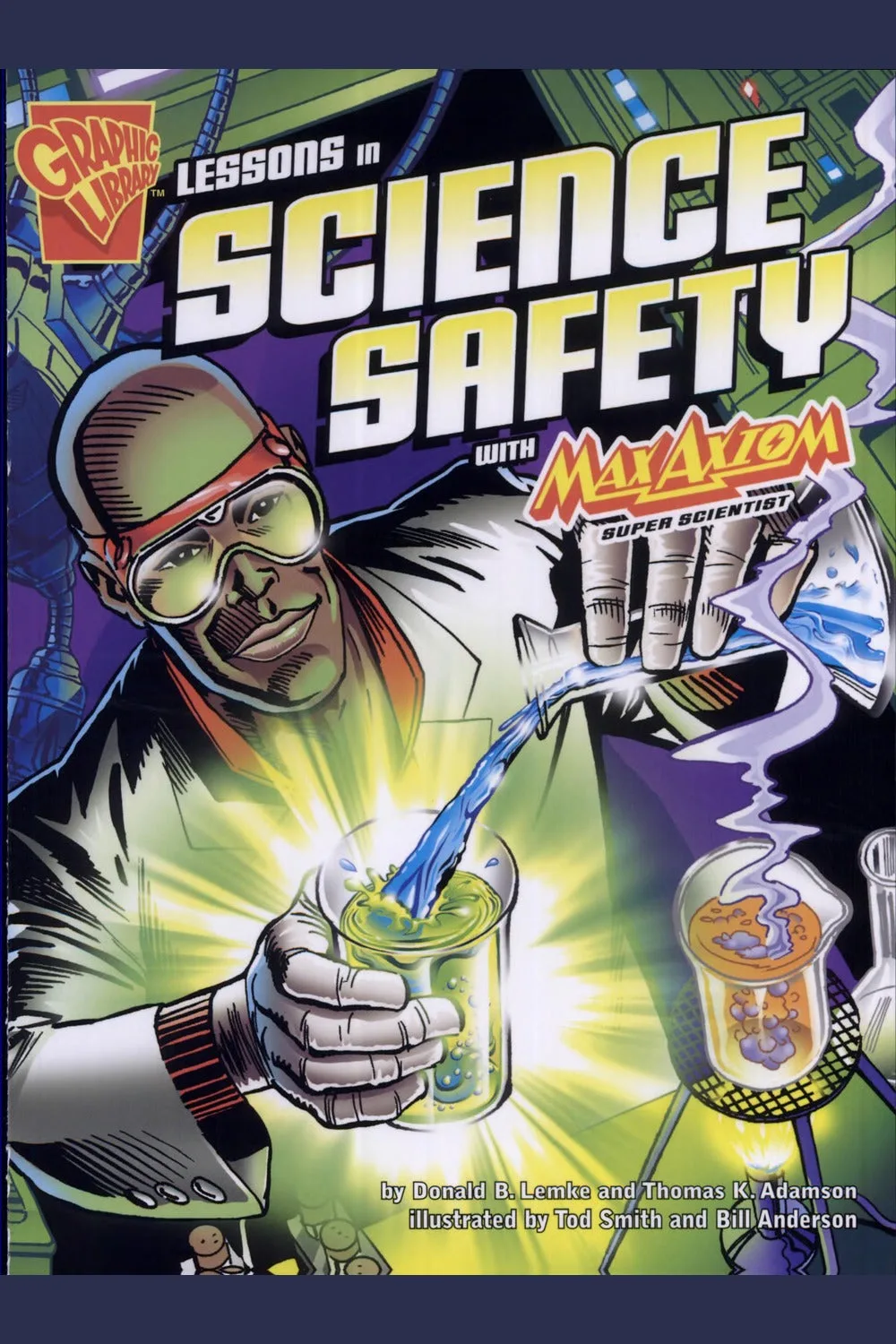
There is a chemistry set on your table and you are about to say six things your child will not listen to. This book says them instead, in a comic, from somebody who is not you.
choosing curriculum
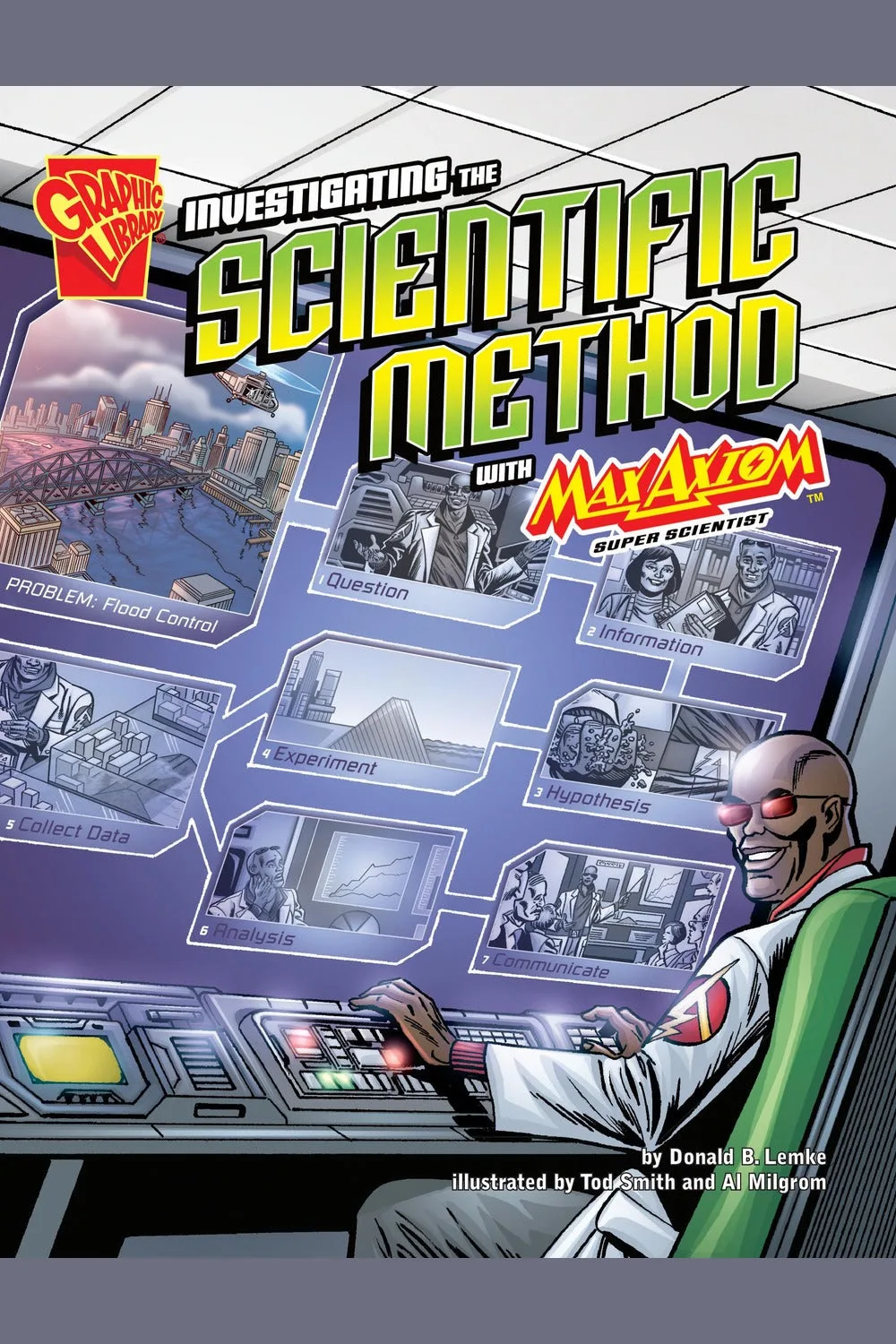
Every other book in this series is about something: sound, magnets, volcanoes, cells. This one is about a procedure. That makes it the odd book of the set, and it changes when you
homeschool planning
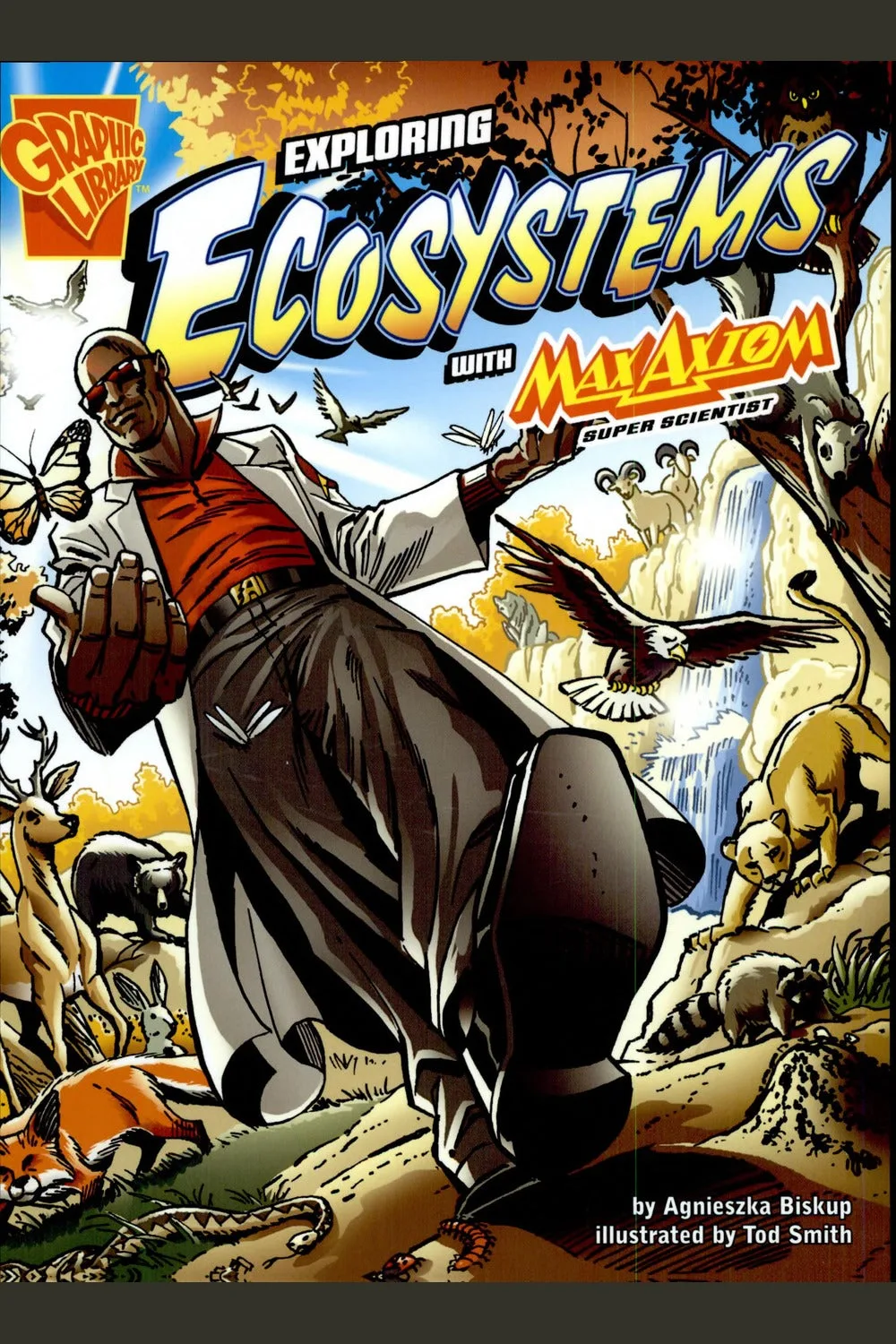
The rainforest is on the cover and the worms are the point. A system needs three jobs filled, and the one nobody draws is the one happening under the leaf litter, which is where th
experiential learning
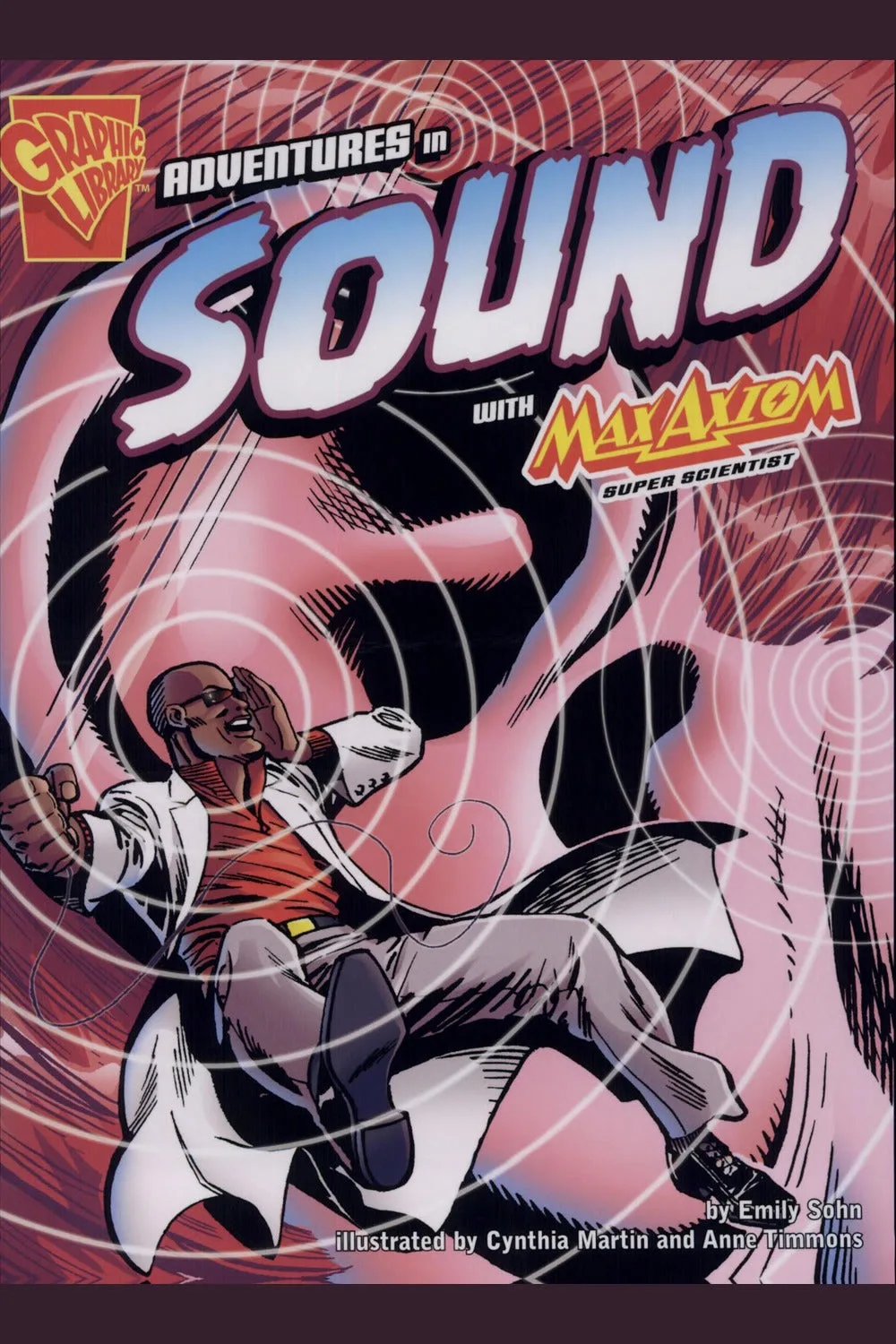
Stretch a rubber band across an open shoebox and pluck it. Now pull it tighter and pluck again. That is pitch, it costs nothing, and this book is what belongs either side of it.
experiential learning
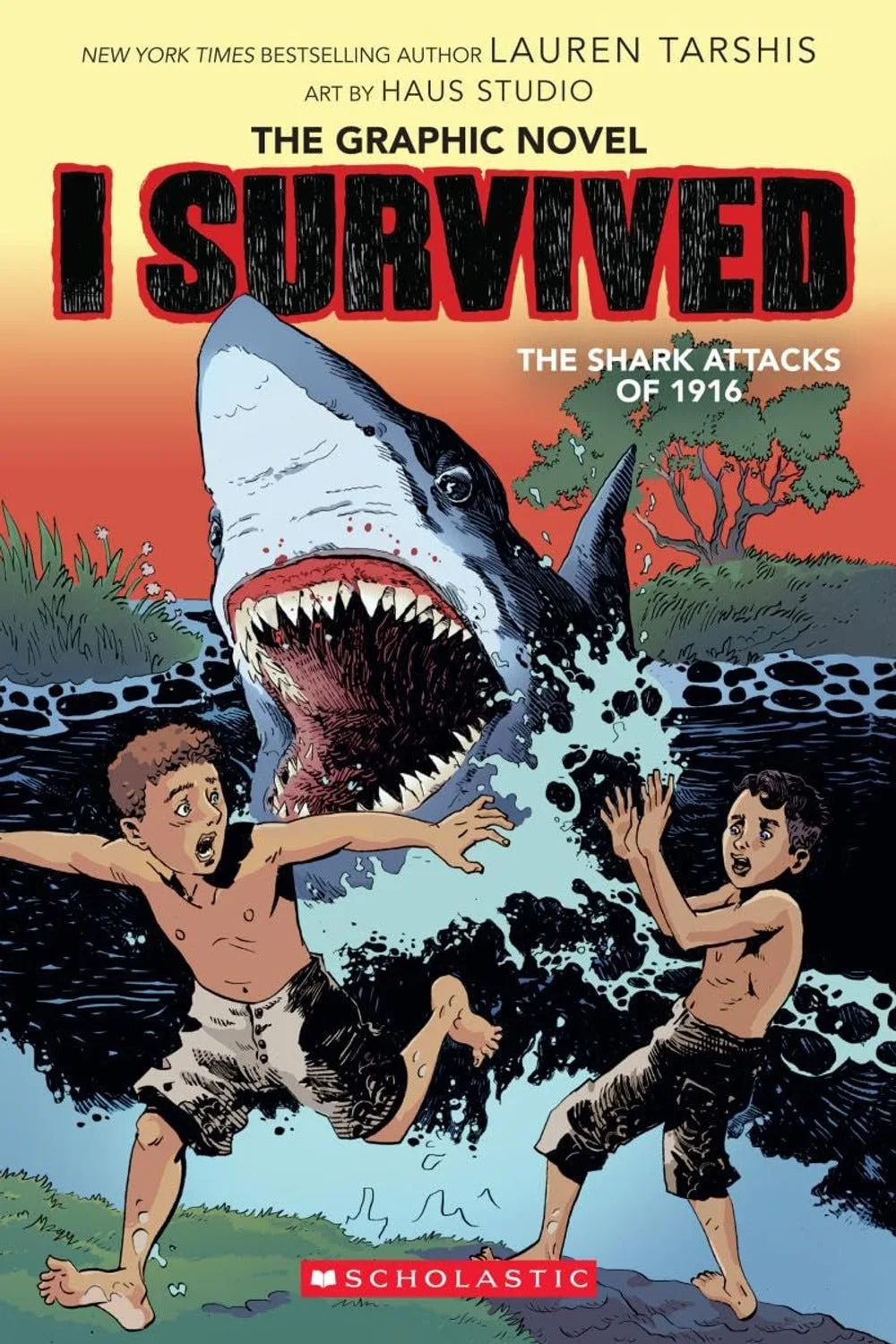
Matawan Creek is brown. You cannot see your own feet in it. That single fact is why this story happened the way it did, and a picture hands it to a child in about a second.
read-alouds
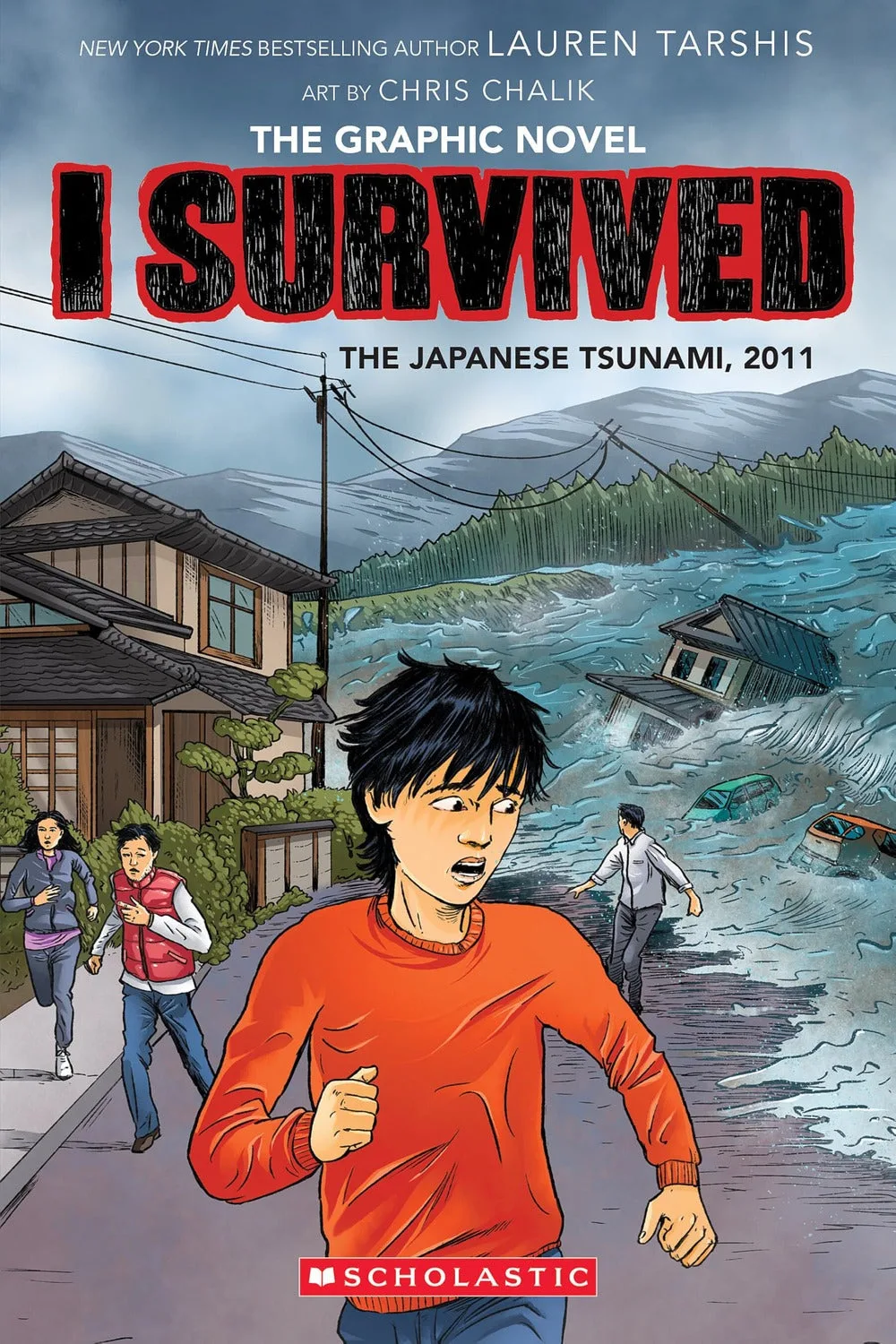
A tsunami is not a big wind wave. It is the whole depth of the ocean lifted at once, which is why it does not break and finish like every wave your child has met.
experiential learning
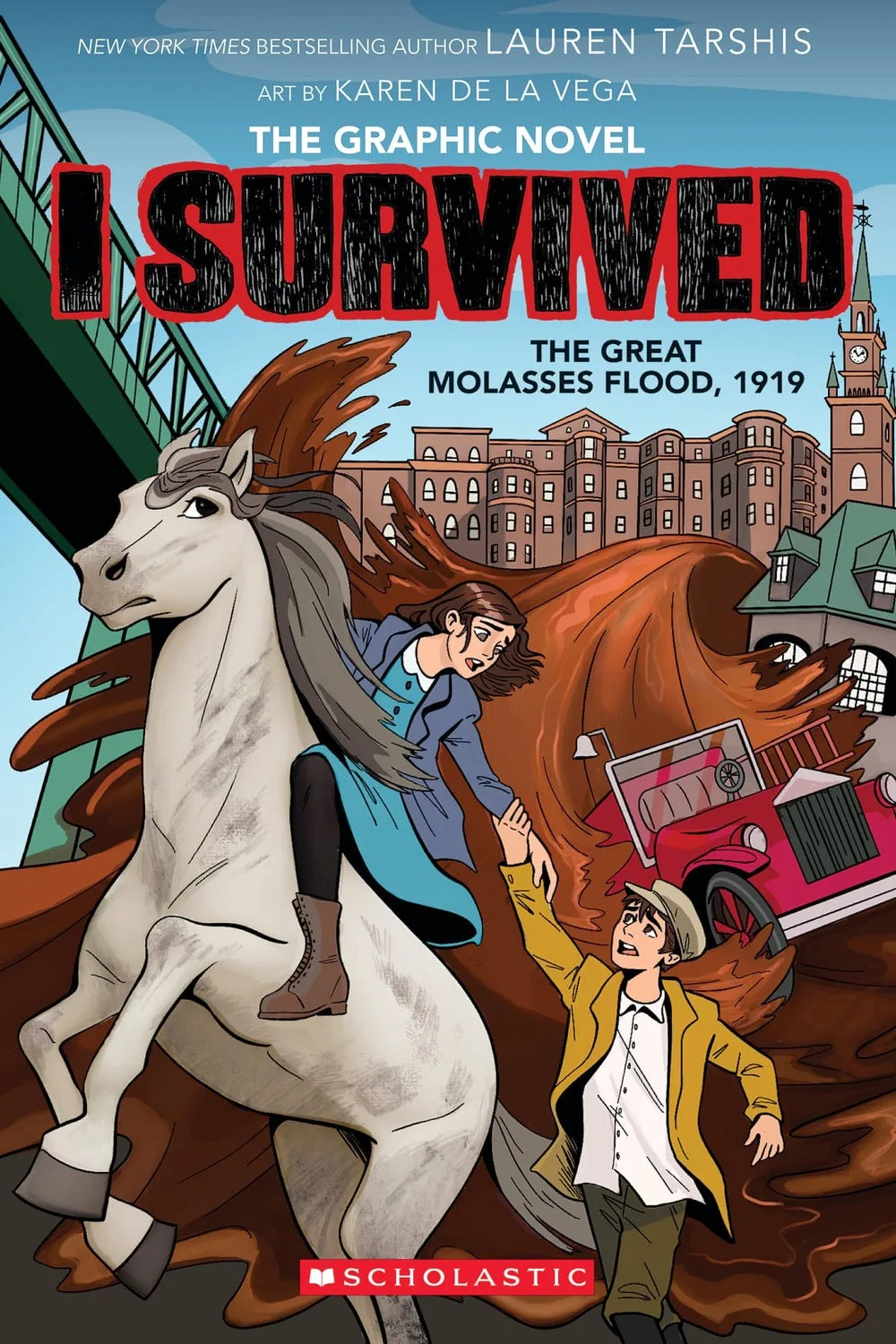
Your child is going to laugh at the words molasses flood. Let them, and then hand them the weight of a bucket of it, because that is where the laughing stops.
experiential learning
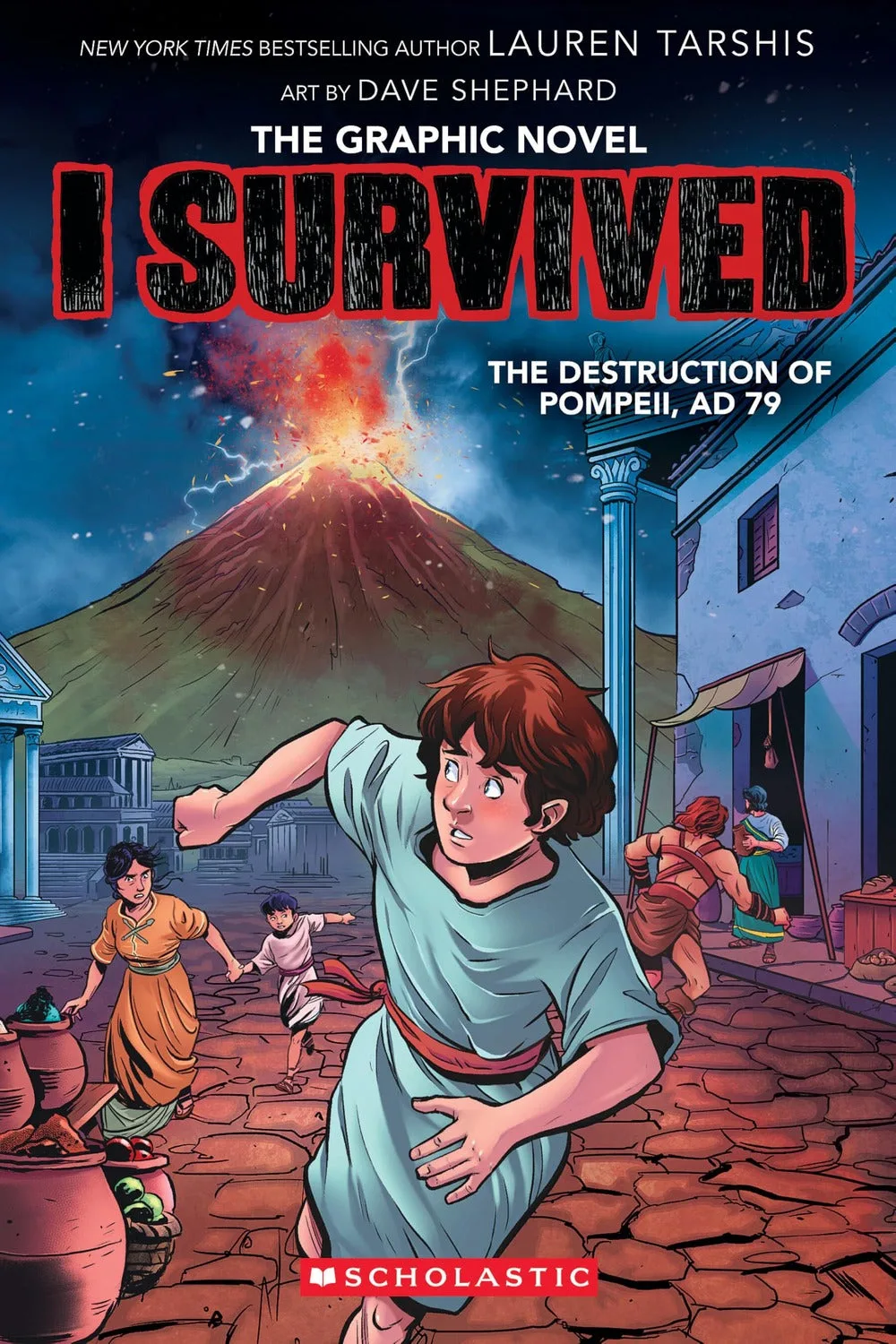
Nobody in Pompeii knew they were living next to a volcano, and Marcus's father, who trusts science over monsters, has nothing in his science yet that would tell him.
gifted or struggling
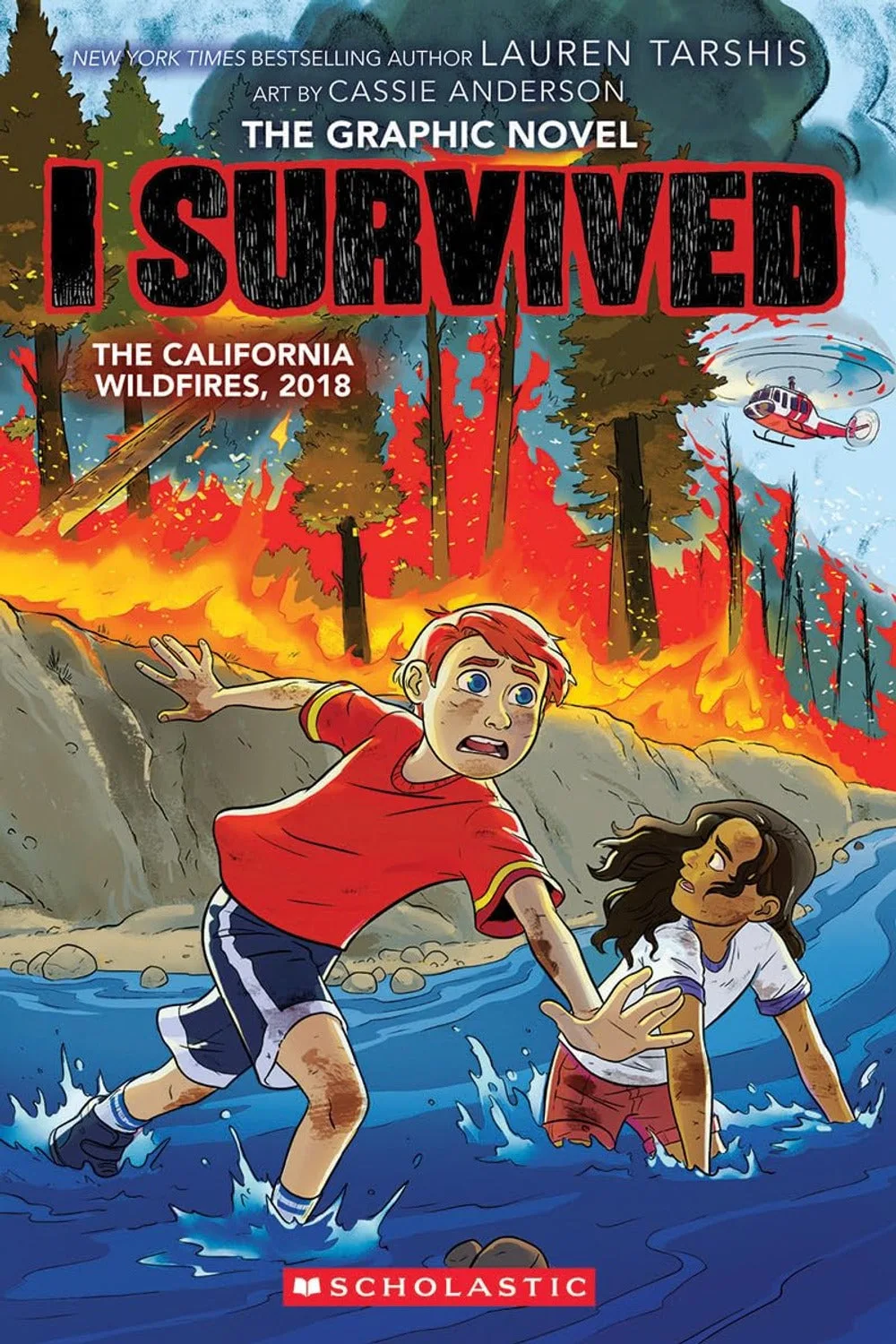
A wildfire is a shape on the ground with a fast end and slow sides, and surviving one is a question about which part of the shape you are standing in. That is a map problem, and th
gifted or struggling
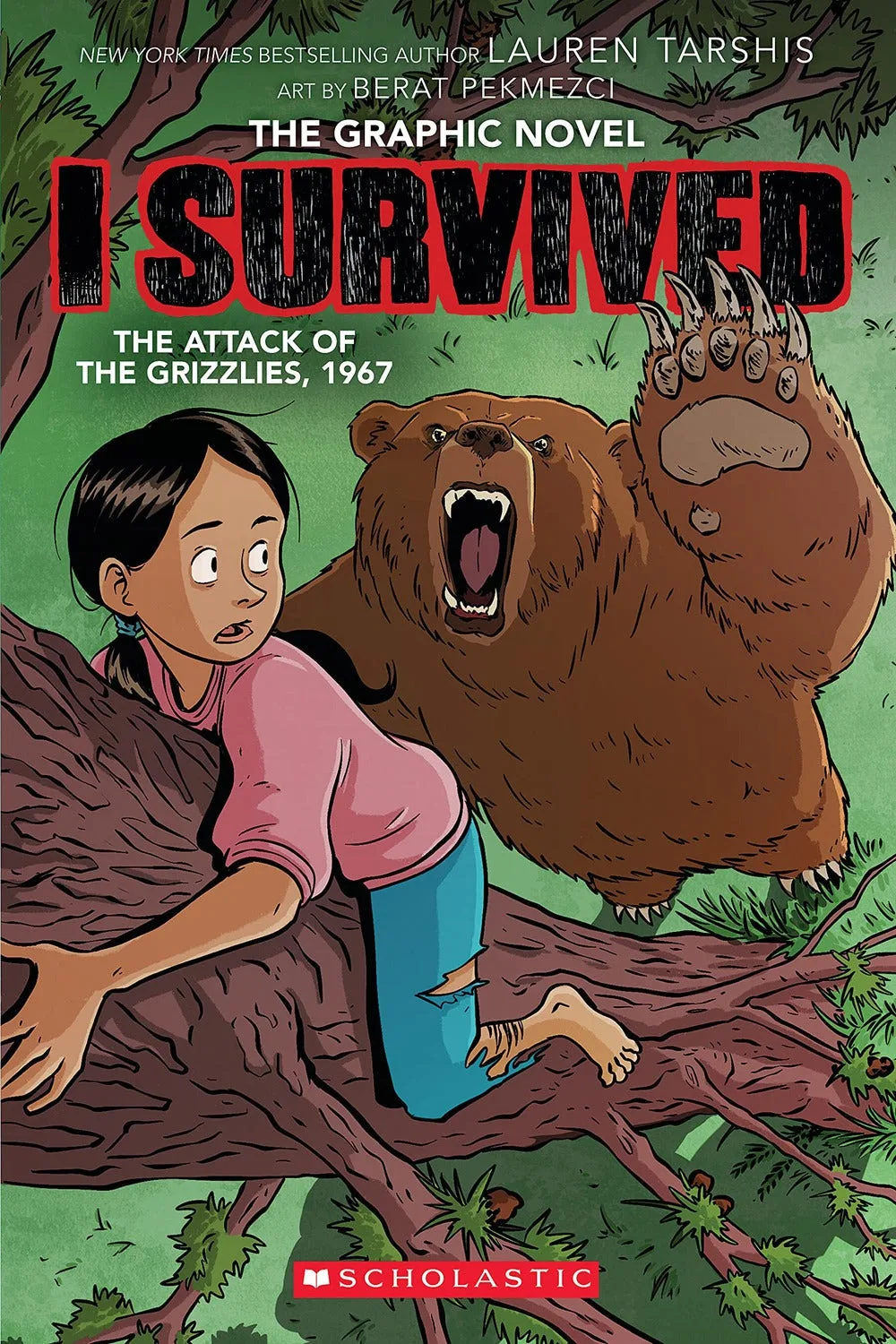
There is a page in this book where a girl and a grizzly are in the same frame, and the thing the picture hands you that a sentence cannot is how far apart they are. That distance i
experiential learning
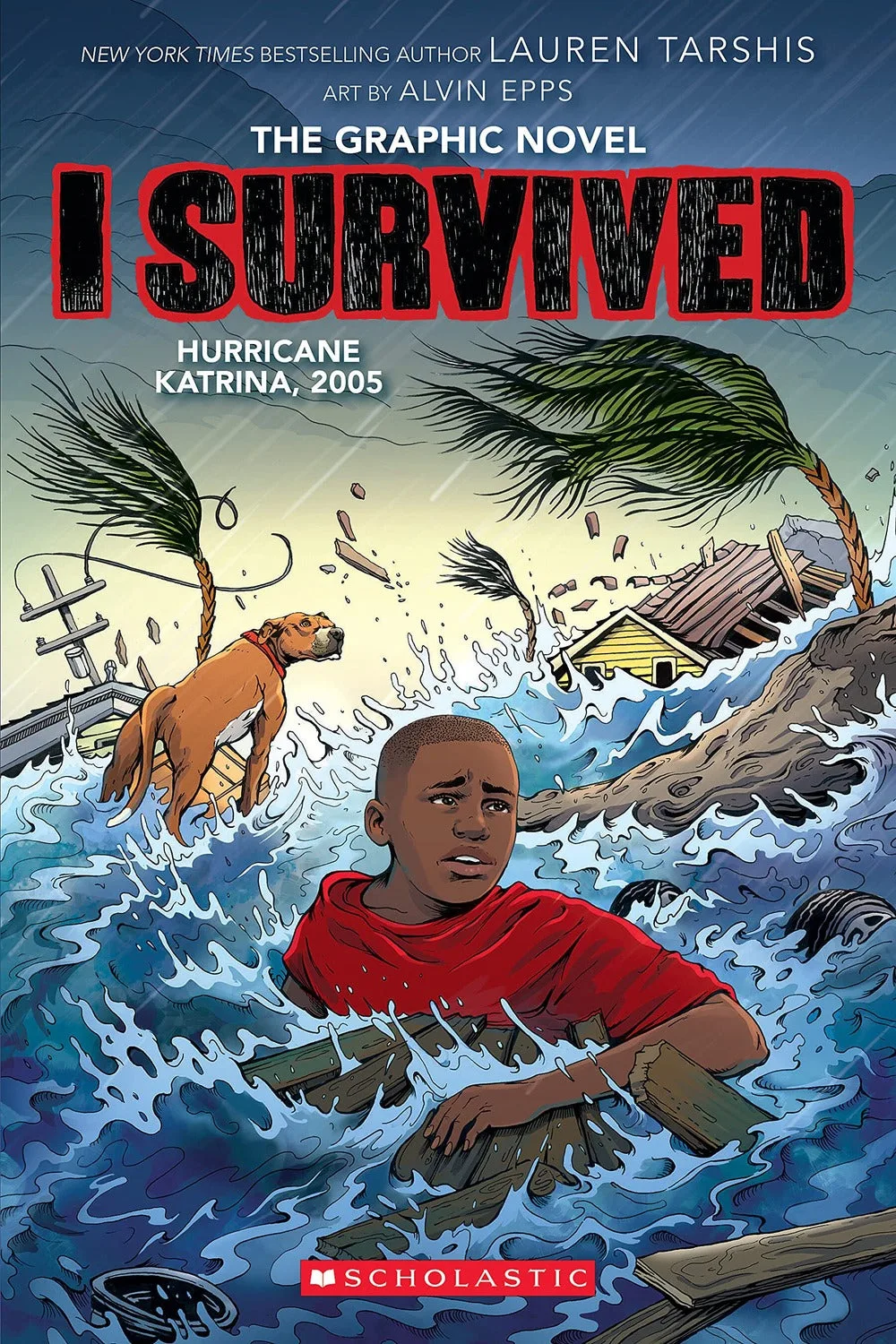
Every child who reads about Katrina asks the same thing inside two pages. Why did anybody stay? This book answers that before they have finished asking it.
read-alouds
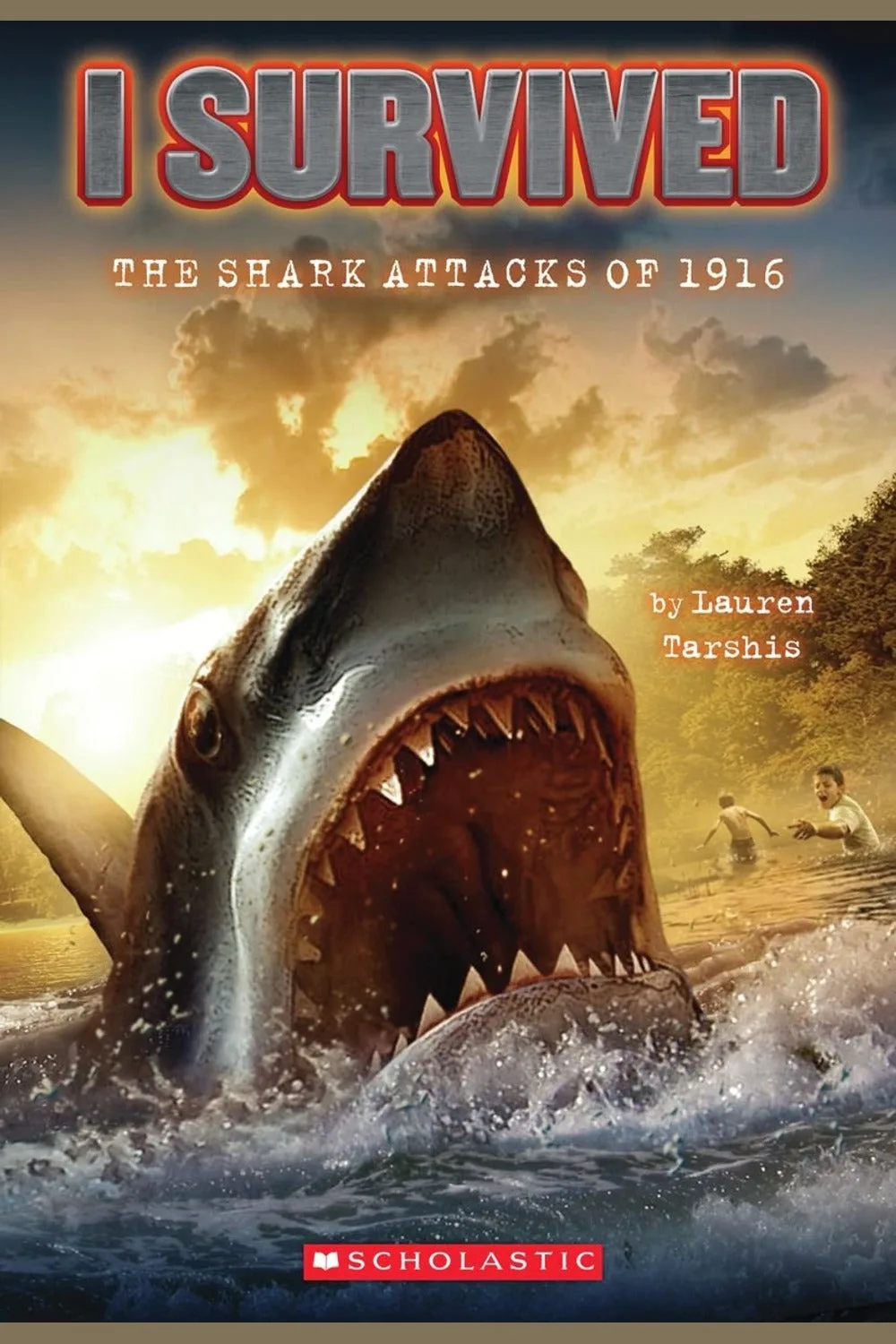
The best thing in this book is not the shark. It is that in 1916 the people who were supposed to know said this could not happen, and they were wrong, and the argument about which
experiential learning
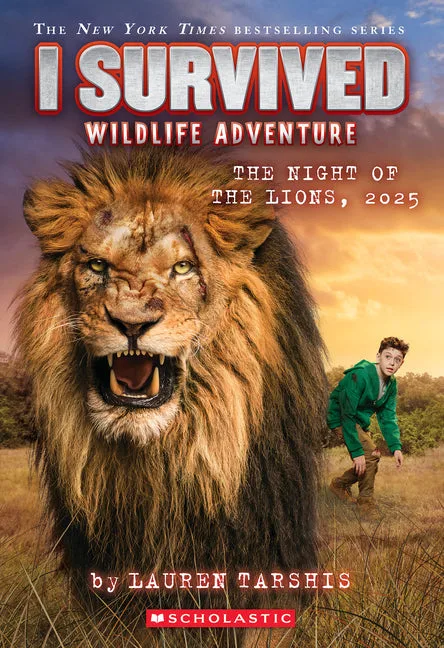
A healthy lion in country with enough game in it has no particular interest in you. The ones that turn to people have almost always run out of other options.
read-alouds
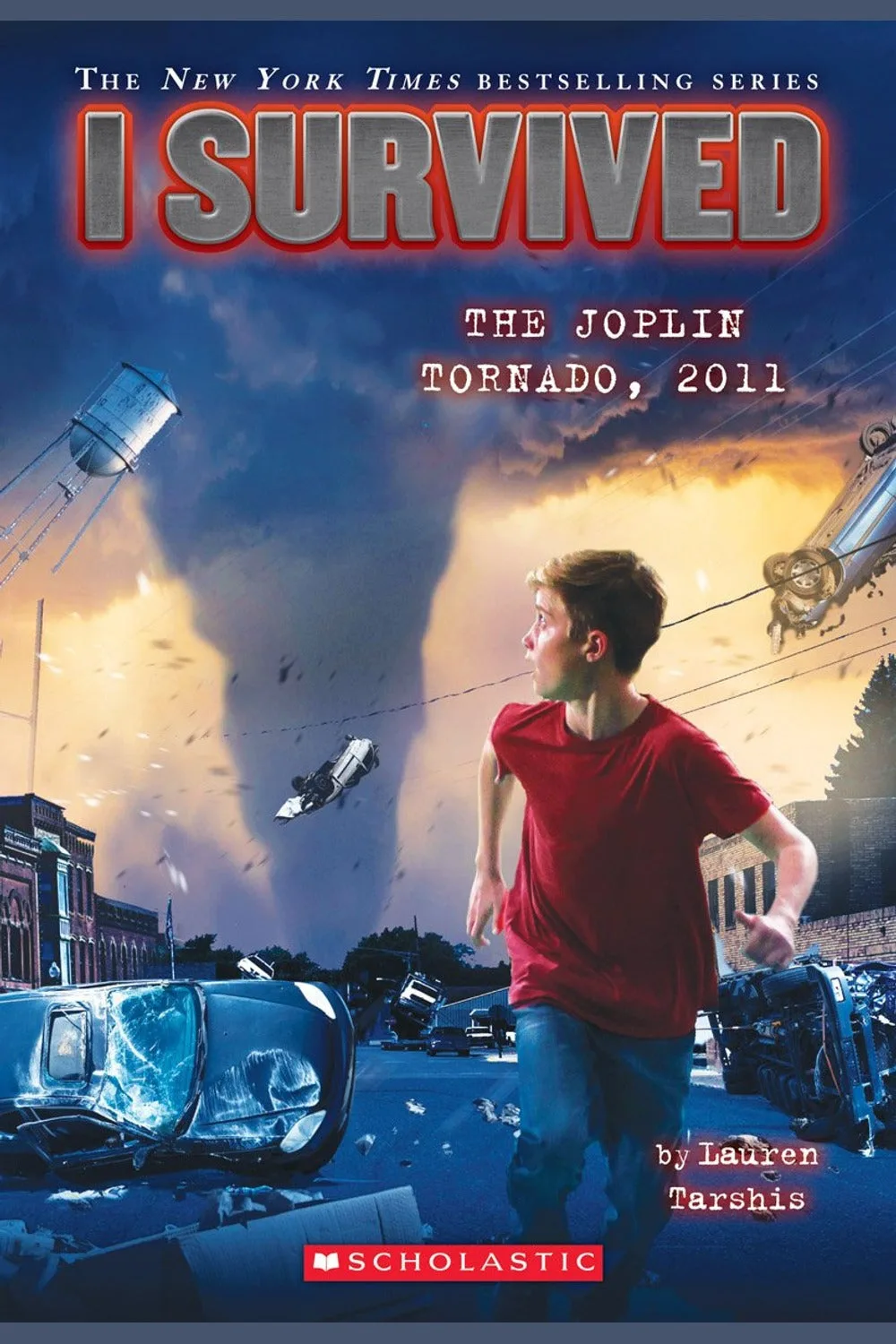
The warning went out before the tornado arrived. More than a hundred and fifty people died anyway. Both halves of that sentence are worth a child understanding.
experiential learning
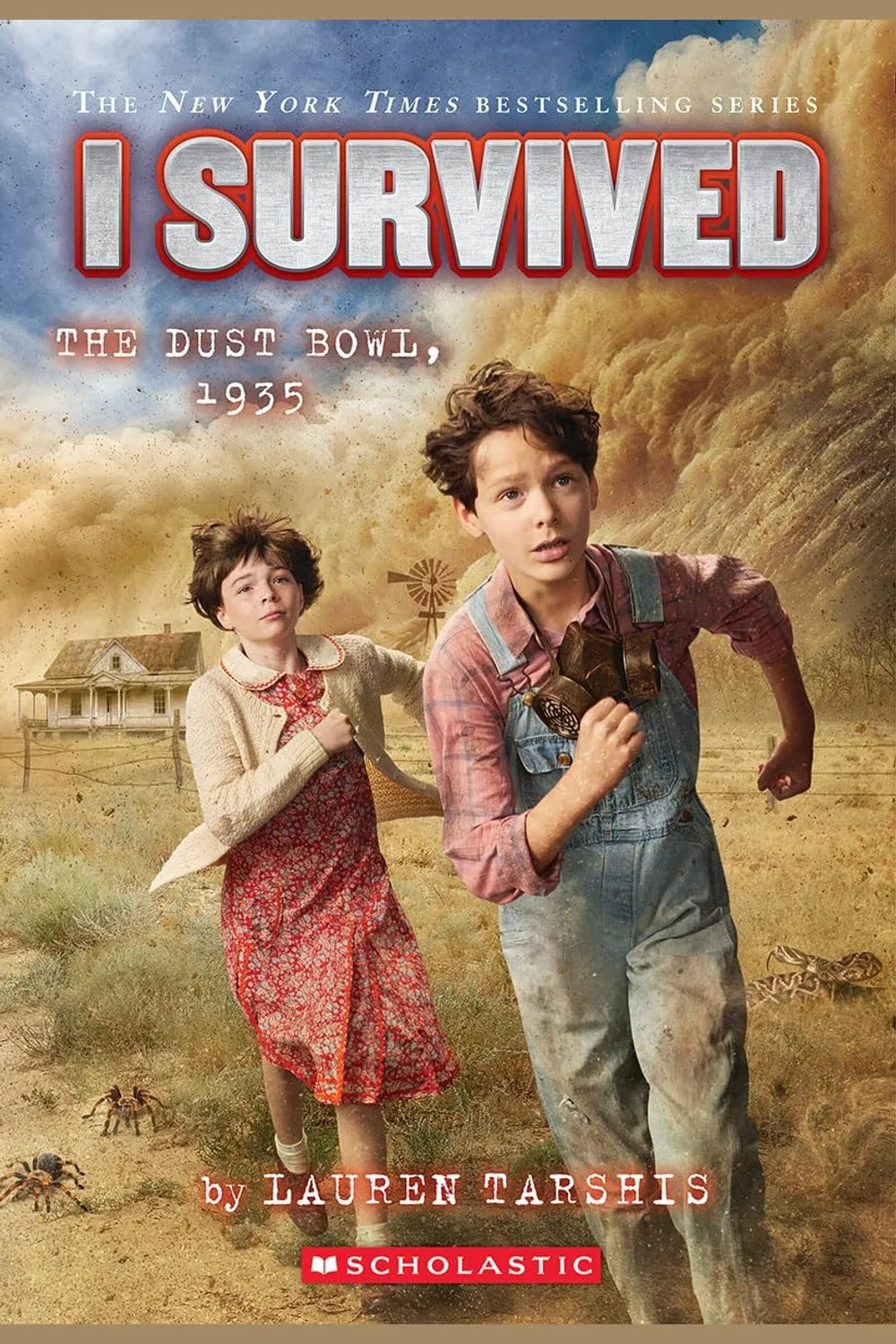
Blow across a plate of flour and most of it stays put. It takes bigger grains bouncing along the ground to knock the fine stuff up where the wind can carry it.